
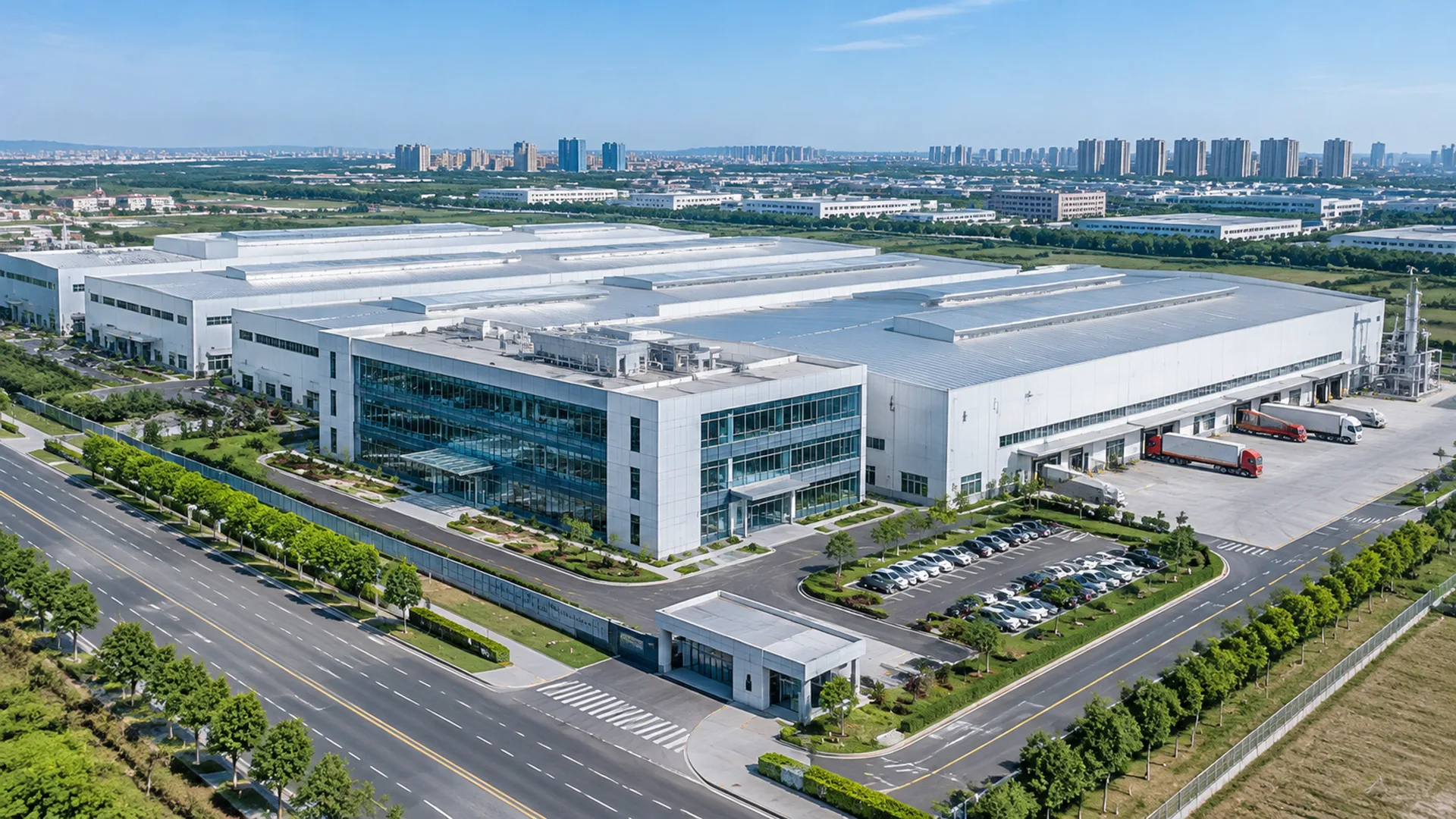
Source-factory production · Consolidated supply
Industrial Bearings for OEM, Replacement and Custom Applications
Core bearing families are supported by cooperating factory production capacity, with complementary requirements available through consolidated sourcing. Manufacturer, model, available quantity, lead time and applicable documents are confirmed for each order.
Capabilities
Key Capabilities
Bearing selection, model review, supply coordination and order-specific quality-document confirmation across production and consolidated-sourcing routes.
Why Us
Why Buy Bearings From Hefei Bearing Supply
An integrated supply partner combining cooperating-factory production for core bearing families with consolidated sourcing for complementary requirements.
01
Source and quality documents confirmed
The supplying route, actual manufacturer and model, and applicable inspection or quality documents are checked for the requested product and order. No blanket certificate is implied across different sources.
02
Engineering-led model review
Share a designation, drawing and operating conditions for a model and application review. Compatibility and any proposed substitute are confirmed against the relevant manufacturer data before quotation.
03
Clear commercial terms
The quotation confirms the applicable lead time, Incoterms, payment terms and order conditions for the selected supply route.
04
Production plus consolidated sourcing
Core bearing families are supported by cooperating factory production capacity. Complementary requirements can be sourced with the actual manufacturer and model attribution retained; availability is confirmed per order.
Quality and traceability
Trust is checked, not claimed
- Core bearing families are supported by cooperating factory production capacity.
- Complementary requirements can be fulfilled through consolidated sourcing, with manufacturer and model attribution retained.
- Available quantity, lead time and applicable quality documents are confirmed for the requested designation and order.
Products
Product Range
Ball and roller bearing types for standard supply, OEM programs and replacement sourcing.
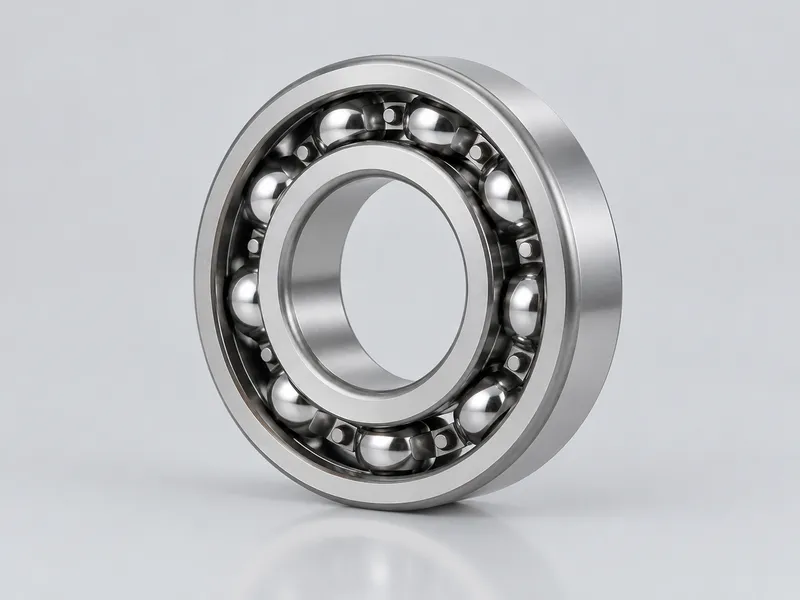
Deep Groove Ball Bearings
Deep groove ball bearings for radial and moderate axial load at high speed - common open, ZZ or 2RS, CN or C3 configurations; verify the requested designation and dimensional interchange against the actual manufacturer data.
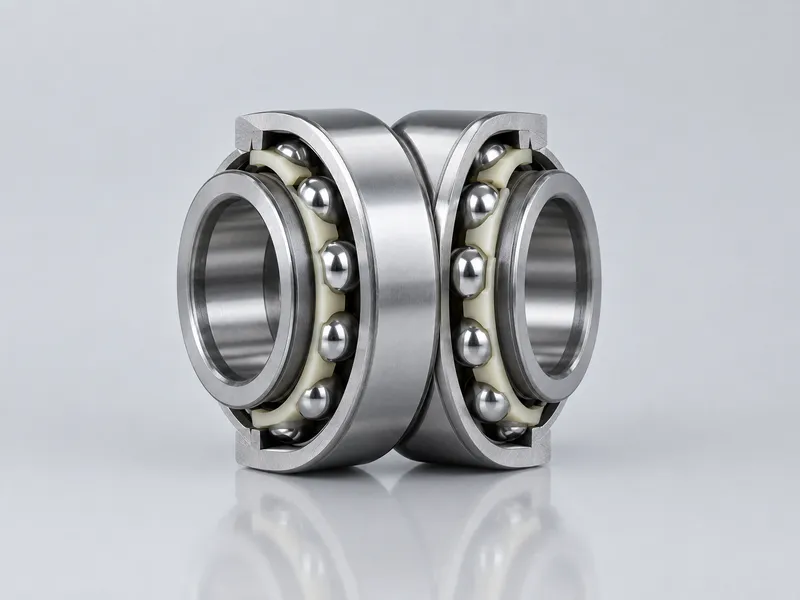
Angular Contact Ball Bearings
Angular contact ball bearings for combined radial and axial load in one direction - 15/25/40 degree contact angles, single or paired for spindle duties.
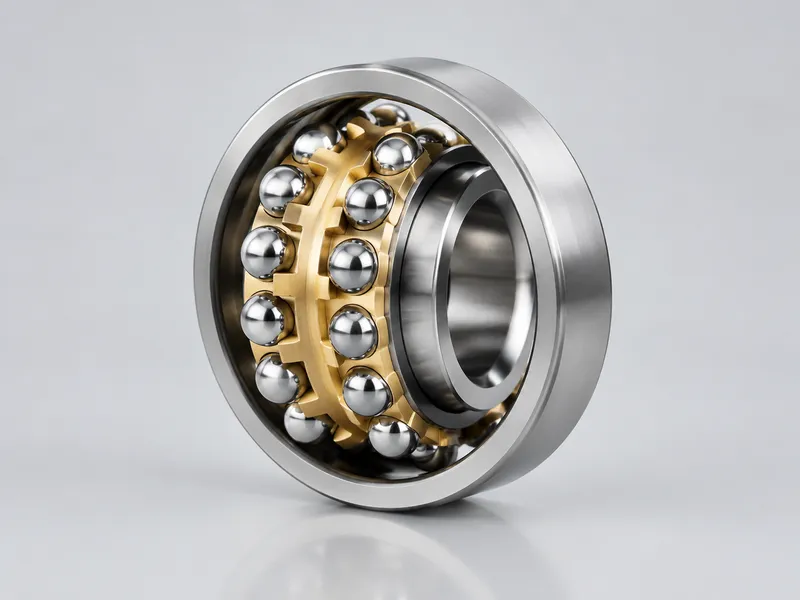
Self-Aligning Ball Bearings
Self-aligning ball bearings accommodate angular misalignment through a spherical outer raceway. The permissible angle depends on the bearing series, seal design, load and surrounding assembly - for long shafts under light to moderate radial load.
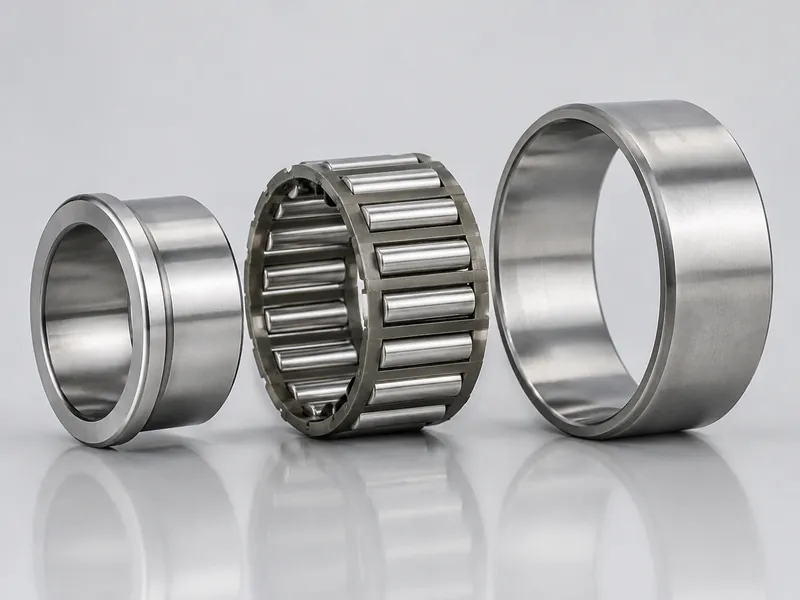
Cylindrical Roller Bearings
Cylindrical roller bearings for heavy radial load at moderate speed - separable NU / NJ / NUP designs for motor rotors, gearboxes and rolling mills.
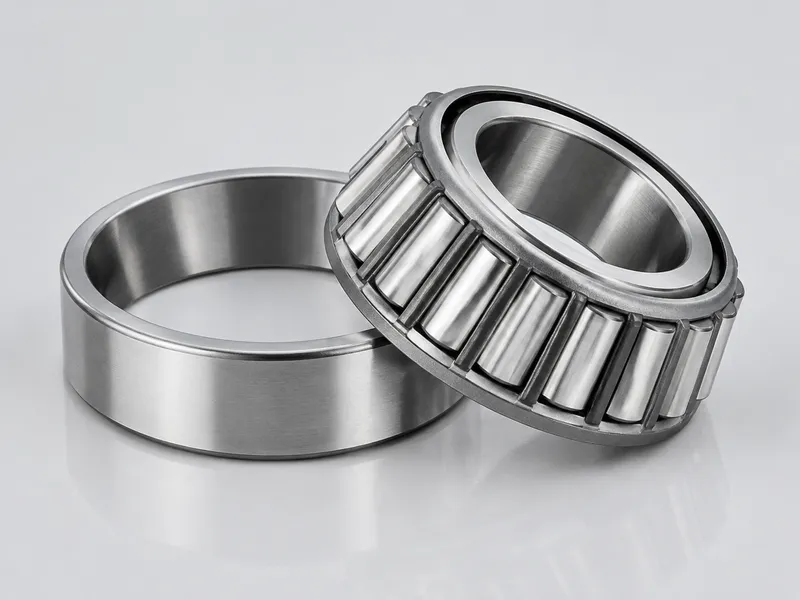
Tapered Roller Bearings
Tapered roller bearings for combined radial and axial load with high stiffness - metric and inch series, used singly or in matched facing pairs subject to model-specific confirmation.
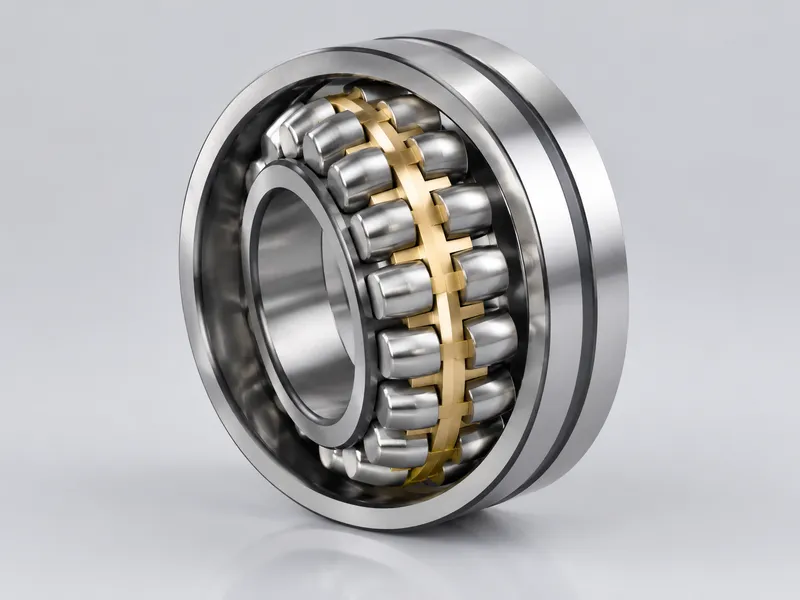
Spherical Roller Bearings
Spherical roller bearings combining very high radial capacity with about 1-2.5 degrees of self-alignment - for vibrating screens, mills and mining duty.
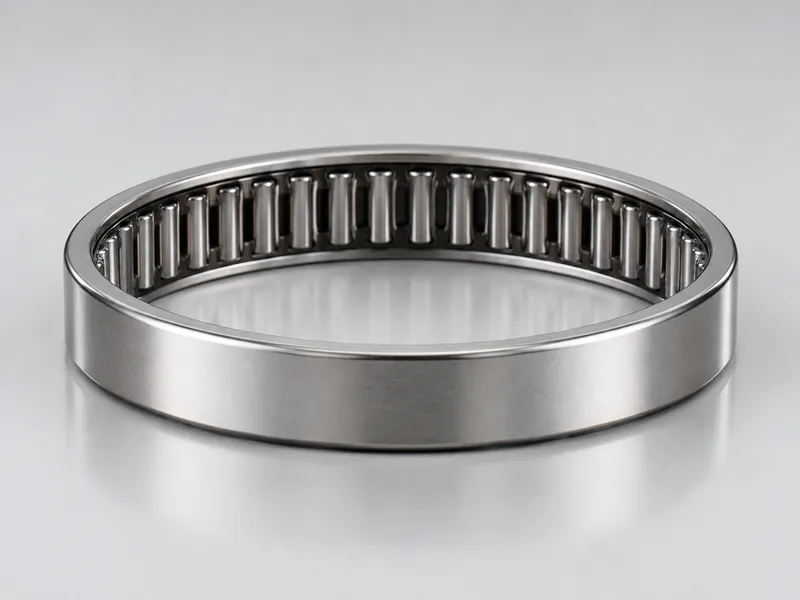
Needle Roller Bearings
Needle roller bearings for high radial capacity in the smallest cross-section - drawn cup and solid types, with or without inner rings.
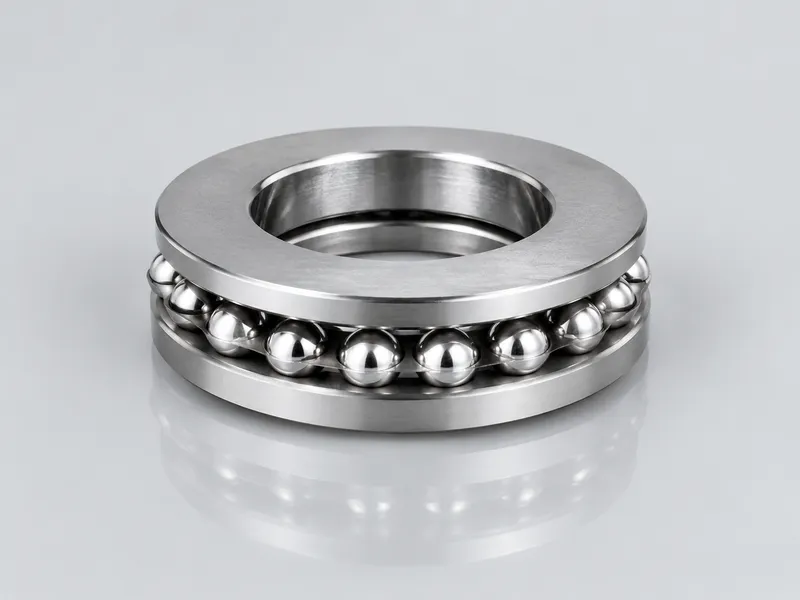
Thrust Ball Bearings
Thrust ball bearings carrying pure axial load between shaft and housing washers - single or double direction, for crane hooks and vertical pumps.
Applications
Bearings by Application
Bearing selection by equipment and operating condition: motors, pumps, gearboxes, conveyors and more.
Bearings for Electric Motors
Bearing selection for electric motor shafts, rotor support and end-shield arrangements, with attention to radial load, speed, clearance and lubrication.
Bearings for Pumps
Bearing selection for centrifugal and process pump assemblies, where radial and axial load, speed, sealing and contamination control shape the specification.
Bearings for Gearboxes
Bearing selection for gearbox shafts and gear support, with combined load, stiffness, clearance, lubrication and alignment treated as application inputs.
Bearings for Conveyors and Material Handling
Bearing selection for conveyor pulleys, rollers and handling equipment exposed to radial load, contamination, misalignment and maintenance constraints.
Bearings for Food Processing
Bearing selection for food-processing equipment where washdown, corrosion resistance, sealing, lubrication and documentation requirements must be reviewed together.
Bearings for Wind Turbines
Bearing selection for wind-turbine drivetrain and main-shaft duties, requiring application-specific review of load, speed, alignment, lubrication and service conditions.
Bearings for Agricultural Machinery
Bearing selection for agricultural machinery exposed to variable loads, dust, moisture, shock and maintenance constraints.
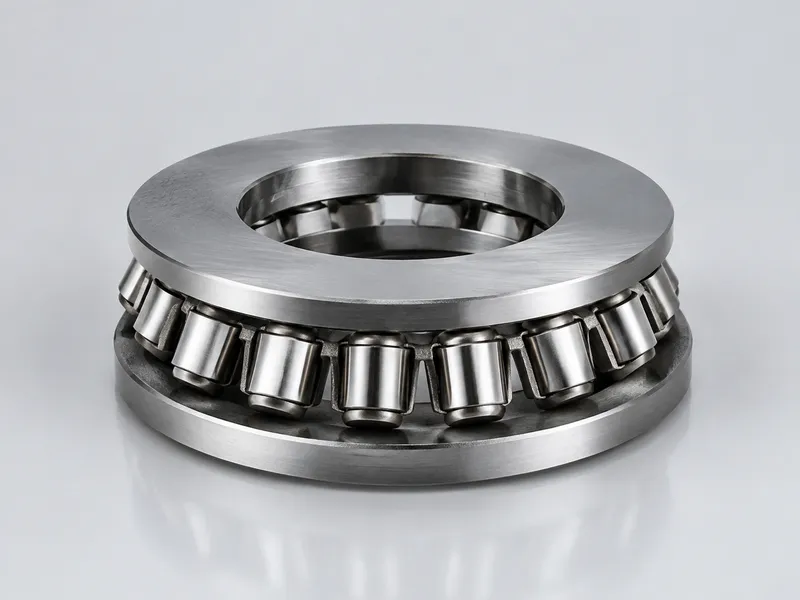
Bearings for Mining and Vibrating Screens
Bearing selection for mining and vibrating-screen equipment where heavy load, shock, vibration, contamination and lubrication control are central to the specification.
Materials
Bearing Materials
Bearing steels, cages, seals and lubrication options matched to load, speed and operating conditions.
- Bearing steel grades such as GCr15 / 52100 / 100Cr6 / SUJ2: confirm the grade and applicable material documents for the selected model and supplying source
- Cage options include pressed steel, machined brass or polyamide where specified by the selected design
- Seal executions include open, ZZ metal shields or 2RS contact seals, subject to the model designation
- Lubrication requirements are checked against the selected bearing design, operating conditions and supplying source
- Precision and clearance classes depend on bearing type and manufacturer; confirm the exact designation and tolerance class
- Dimensions and permissible operating limits are checked against the selected manufacturer's model data
Sourcing
Bearing Production and Sourcing from China
Core bearing families are supported by cooperating factory production capacity. Complementary models can be supplied through consolidated sourcing, with manufacturer and model attribution retained.
- ✓Core bearing families supported by cooperating factory production capacity
- ✓Complementary requirements fulfilled through consolidated sourcing with source-manufacturer attribution
- ✓Available quantity, lead time and applicable quality documents confirmed for the actual product and order
- ✓Drawings and technical requirements can be submitted for model and application review
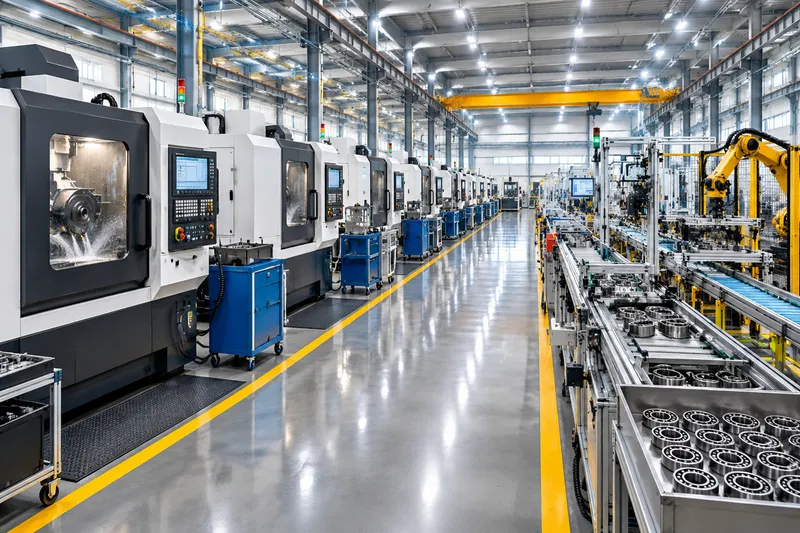
How It Works
How an Order Works
From RFQ to delivery: confirm the model, actual supply route, order terms and applicable quality documents before proceeding.
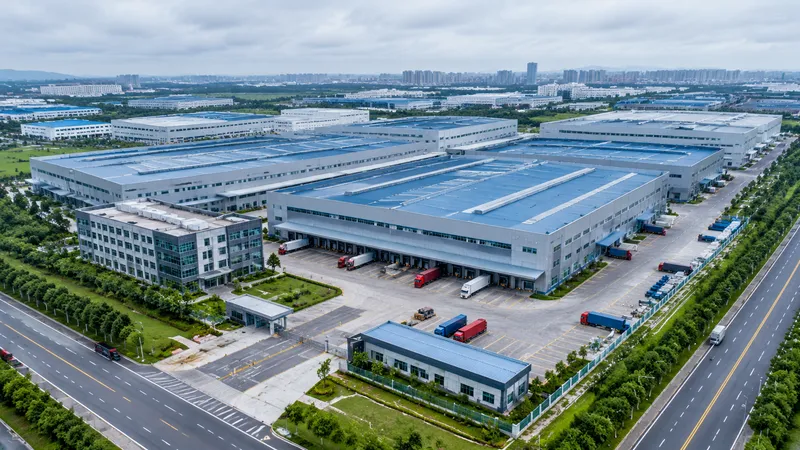
- Send your RFQ — Share the bearing designation or drawing, quantity, destination and application details, including speed, temperature and load where known.
- Review the model and supply route — We check the requested designation, manufacturer reference and application requirements, then confirm whether the order is supported by cooperating-factory production or consolidated sourcing.
- Confirm the quotation and documents — The quotation identifies the applicable source, model, available quantity, lead time, price, delivery terms and quality documents for the order.
- Order fulfilment and delivery — The confirmed supplying source fulfils the order. Inspection records, packaging and shipping documents are provided as applicable to the agreed product and order.
Knowledge
Bearing Knowledge
Engineering and procurement guides for bearing selection, replacement and sourcing decisions.
2RS Contact Seals vs ZZ Metal Shields: Choosing on Contamination, Speed, Temperature and Relubrication
Published sources agree on the direction: 2RS contact seals exclude fine dust and moisture better than ZZ shields. But the lip contact adds friction and heat and the rubber degrades at temperature, so 2RS is the protected choice only where speed and temperature stay inside the seal's margin. ZZ shields are non-contact and their speed and temperature limits are set by cage and grease, not the shield. The numeric penalties — limiting speed, friction torque, temperature rise, relubrication interval and price — are not published in comparable form, so you must obtain them from the bearing supplier before the RFQ.
Does a Higher ABEC/ISO Class Buy Longer Bearing Life, or Should the Premium Go to Lubricant, Cage, Steel and Cleanliness?
The ABEC/ISO class is a tolerance band for boundary dimensions and running accuracy only; it does not certify material, heat treatment, lubricant, cage, cleanliness or service life. A class premium is justified where the application needs tighter bore, OD or runout control, while life-driven spending belongs in the lubricant, cage, steel/heat-treatment and sealing items that the class does not govern. No source in this set gives a price premium per class or a quantified life gain from a class upgrade.
Angular Contact Bearing Pairing: Choosing DB, DF or DT and a Preload Route Before the RFQ
Single-row angular contact bearings carry axial load in one direction only. So a bidirectional thrust duty forces a paired arrangement: DB where moment rigidity and combined loads dominate, DF where misalignment tolerance or easier mounting with inner-ring interference matters. And DT only to raise one-directional axial capacity. Preload is most often set by ordering a factory-matched duplex set whose spacer rings already fix preload or axial clearance, while pairing non-matched bearings means measuring axial dimensions and grinding spacers to a target. What the published evidence does not settle is the per-size preload value, the precision grade, or any stiffness threshold that would decide DB against DF for your specific duty.
Ball vs Roller Bearings: When Load and Speed Decide, and When the Variant Does
Load and speed settle the family in most applications: ball bearings are the higher-speed, lower-friction, lower-cost choice, while roller bearings carry more radial load in the same envelope through line contact. The roller's load advantage compounds with load because L10 uses an exponent of 10/3 for roller against 3 for ball, but no source here gives a matched ball/roller rating pair. So the crossover load and the rpm where the roller stops paying for itself must come from catalogue data.
ABEC 1/3/5/7/9 vs ISO P0/P6/P5/P4/P2: Which Precision Class Goes in the Specification
The two scales map tier-for-tier — ABEC 1/3/5/7/9 against ISO Normal(P0)/P6/P5/P4/P2 — but the pairing is close rather than exact, because the limits are written by different bodies and are not identical at every size. Write the class as a tier on a named scale and state which system the supplier certifies to, then list clearance, noise, lubrication, material and cage as separate line items, because the class controls only boundary dimensions and running accuracy.
Start Your Inquiry
Send your bearing model, quantity and application. The production or sourcing route, available quantity, lead time and applicable documents are confirmed in the quotation.
Request a Quote