

製造能力
核心能力
材料、保持器、密封、潤滑及精度等級依型號與製造商而異,請以該產品的實際資料為準。
為什麼選擇我們
為什麼買家選擇 Hefei Bearing Supply
每筆詢價均依實際供應來源、型號與數量核對。
01
供貨模式
核心產品系列由合作工廠產能支持生產。
02
補充需求
補充需求可透過集採方式供應。
03
產品識別
採購供應的產品保留實際製造商與原始型號。
04
訂單確認
可供數量、交期及適用文件依每筆訂單確認。
產品
產品
涵蓋標準供貨、OEM專案與替換件採購的滾珠軸承與滾子軸承類型。
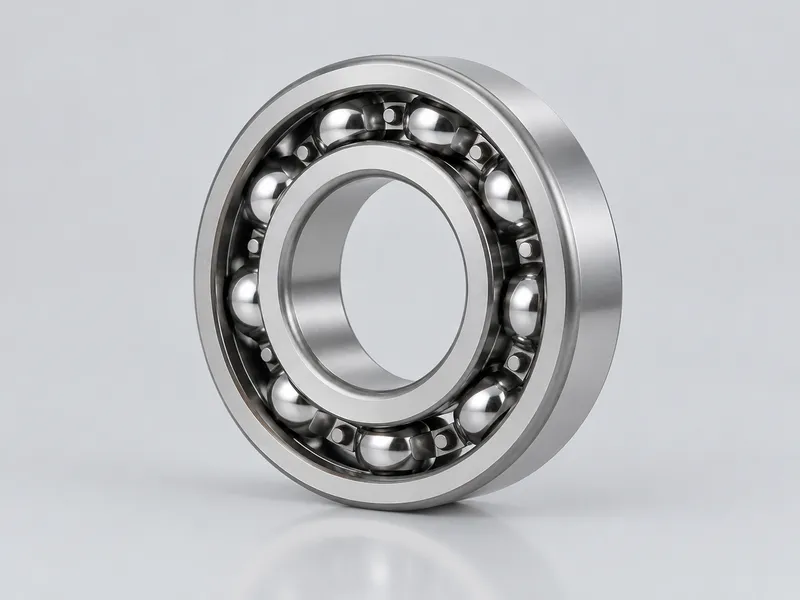
深溝滾珠軸承
深溝滾珠軸承,適用於高轉速下的徑向負荷與中等軸向負荷——開放式、ZZ 或 2RS,間隙 CN 或 C3,並提供型號對照。
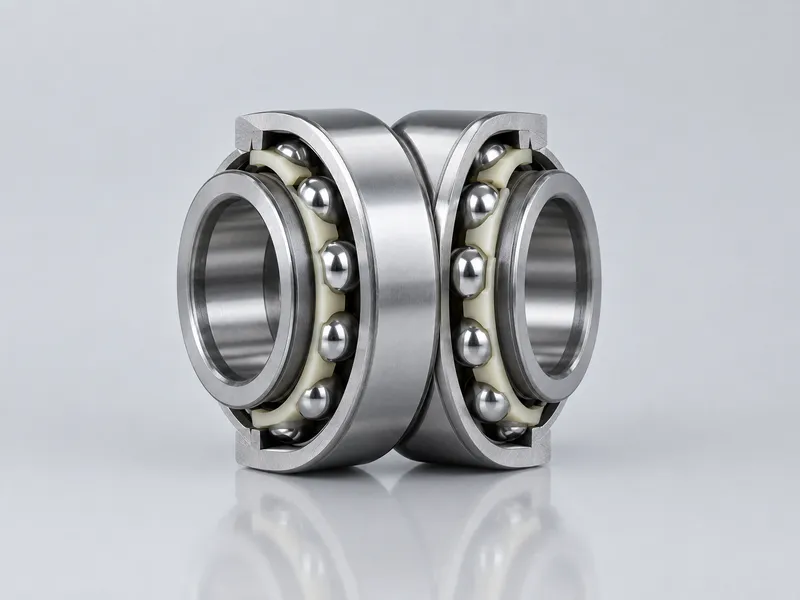
角接觸滾珠軸承
角接觸滾珠軸承,適用於單方向的徑向與軸向複合負荷——接觸角 15/25/40 度,可單獨供貨或成對配置於主軸用途。
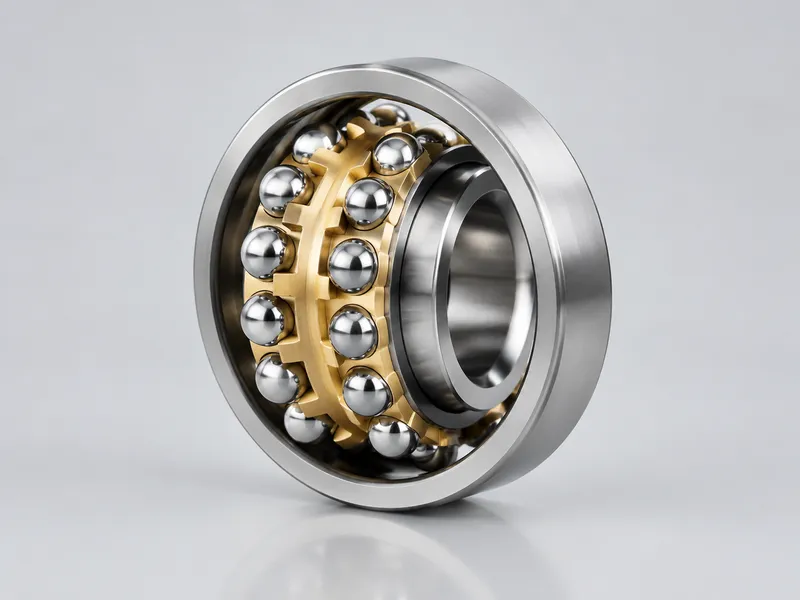
自動調心滾珠軸承
自動調心滾珠軸承,可補償約 1.5-3 度的軸撓曲與不對心——適用於輕至中等徑向負荷下的長軸。
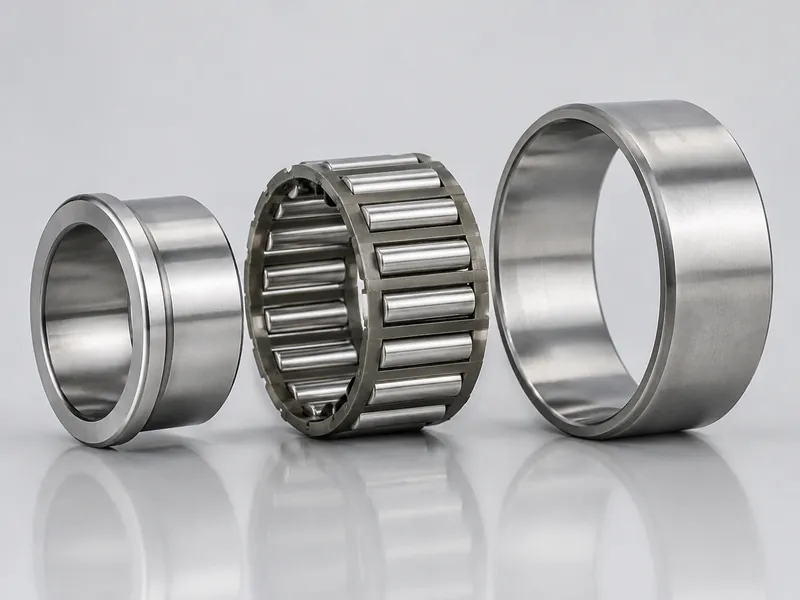
圓柱滾子軸承
圓柱滾子軸承,適用於中等轉速下的重徑向負荷——可分離式 NU / NJ / NUP 結構,適用於馬達轉子、齒輪箱與軋鋼機。
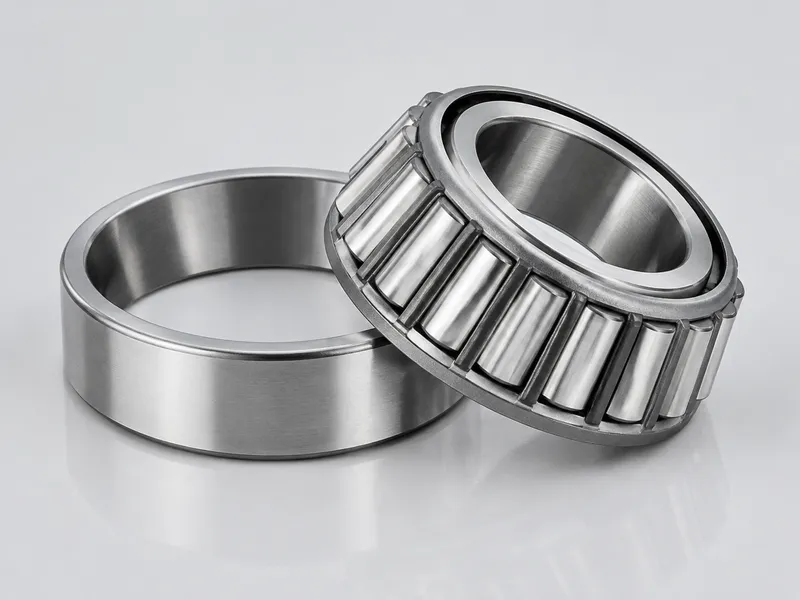
圓錐滾子軸承
圓錐滾子軸承,以高剛性承受徑向與軸向複合負荷——公制與英制系列皆有,可單獨供貨或以配對組合供應。
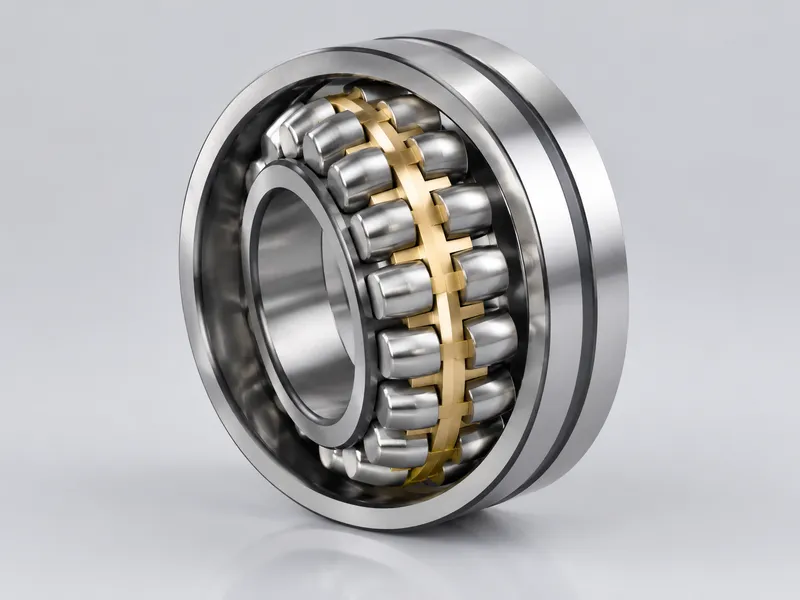
球面滾子軸承
球面滾子軸承,兼具極高徑向承載能力與約 1-2.5 度的自動調心能力——適用於振動篩、磨機與礦業用途。
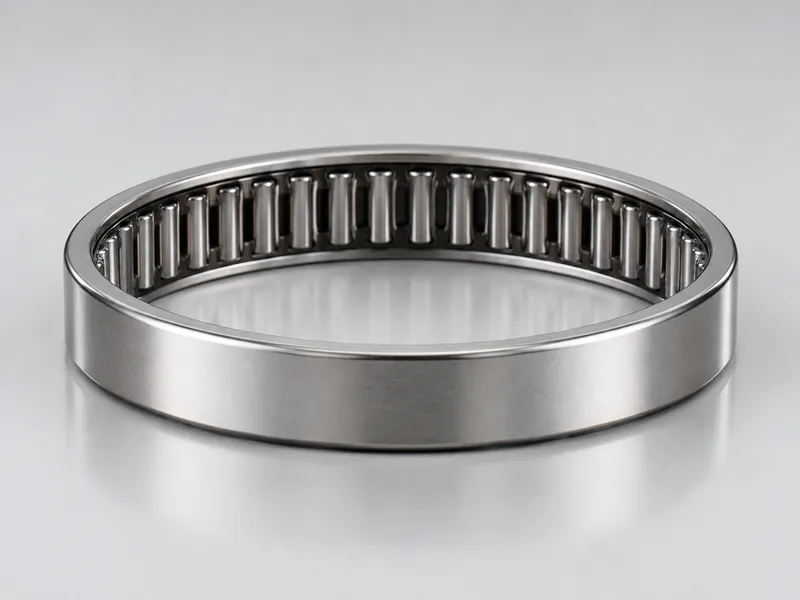
滾針軸承
滾針軸承,以最小的剖面尺寸提供高徑向承載能力——沖壓外圈與實體套圈型式,附或不附內環皆有。
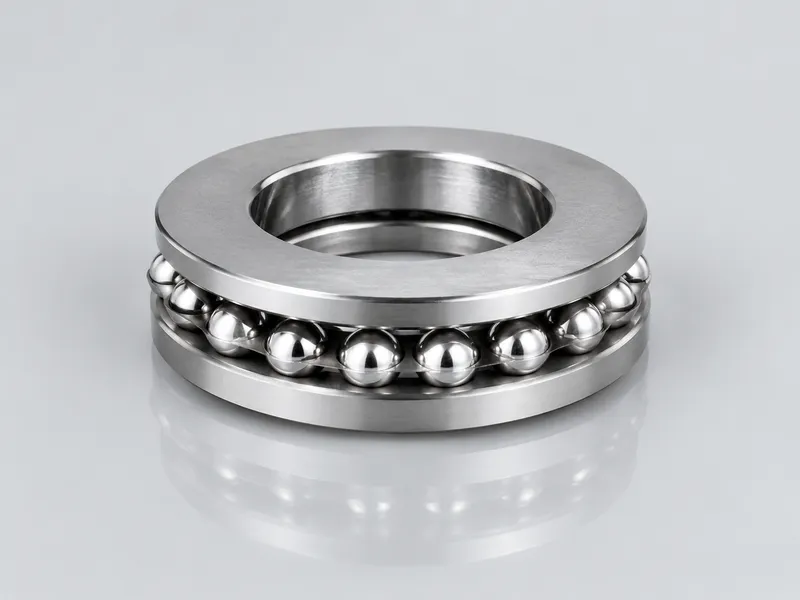
止推滾珠軸承
止推滾珠軸承,在軸圈與座圈之間承受純軸向負荷——單向或雙向,適用於吊鉤與立式泵浦。
應用
依應用分類的軸承
依設備與運轉條件選擇軸承:電動機、泵浦、齒輪箱、輸送機等。
電動機軸承
電動機軸、轉子支撐及端蓋配置的軸承選型,考量徑向負荷、轉速、間隙與潤滑。
泵用軸承
離心泵與製程泵機組的軸承選型,徑向與軸向負載、轉速、密封與污染控制共同決定選型規格。
齒輪箱軸承
齒輪箱軸與齒輪支撐的軸承選型,將複合負荷、剛度、間隙、潤滑與對中視為應用輸入條件。
輸送帶與物料搬運軸承
輸送帶滾筒、托輪及搬運設備的軸承選型,考量徑向負荷、污染、不對心及維護條件限制。
食品加工軸承
食品加工設備軸承選型,需同時評估沖洗清洗、耐蝕、密封、潤滑與文件要求。
風力發電機軸承
風力發電傳動系統與主軸工況的軸承選型,須依載荷、轉速、對中、潤滑及維護條件逐項做應用審查。
農業機械軸承
農業機械軸承選型,兼顧可變負載、粉塵、潮濕、衝擊與維護條件限制。
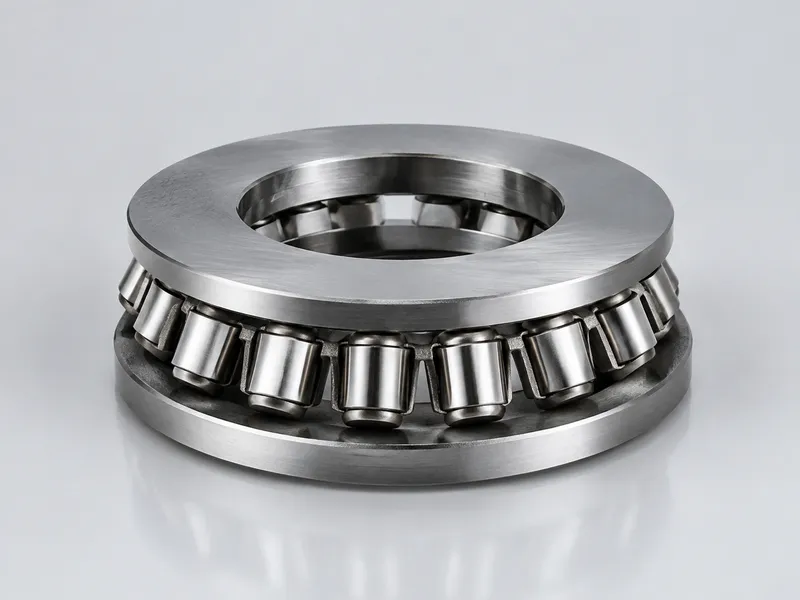
礦業與振動篩軸承
礦業與振動篩設備的軸承選型,重載、衝擊、振動、污染與潤滑控制是選型的核心條件。
材料
軸承材料
依負荷、轉速與運轉條件搭配軸承鋼、保持器、密封與潤滑選項。
- 材料、保持器、密封、潤滑及精度等級依型號與製造商而異,請以該產品的實際資料為準。
採購
從中國採購軸承
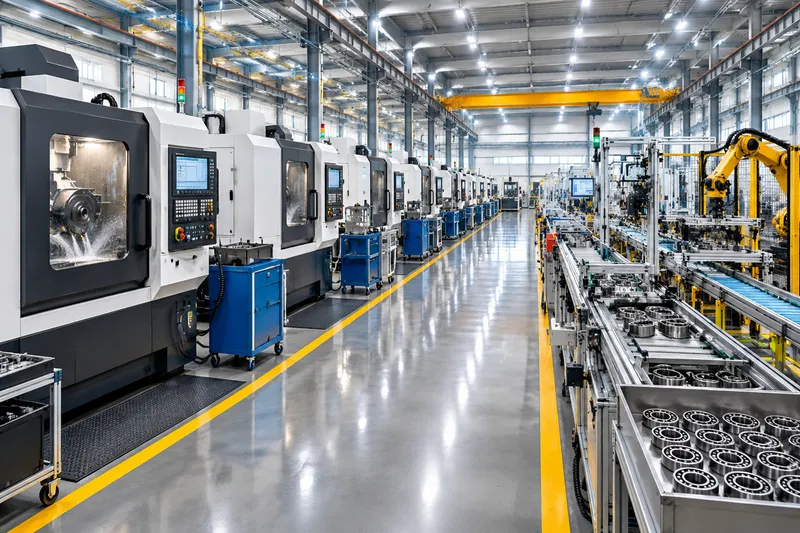
核心產品系列由合作工廠產能支持,補充需求透過集採供應;詳細條件依每筆訂單確認。
- ✓核心產品系列由合作工廠產能支持生產。
- ✓補充需求可透過集採方式供應。
- ✓採購供應的產品保留實際製造商與原始型號。
流程說明
訂購流程
從詢價到交貨:每一筆軸承訂單都有清楚的報價與檢驗流程。

- 送出詢價 — 請提供軸承型號或類型、內徑、外徑與寬度、數量、間隙與精度等級、密封與保持器規格,以及使用轉速、溫度與負荷條件。
- 取得報價 — 先核對實際來源、型號與數量,再確認報價條件及交期。
- 生產與檢驗 — 供貨路線、數量、交期及適用文件均依訂單確認。
- 交貨與支援 — 供貨路線、交期及適用文件依產品與訂單確認。
知識庫
軸承知識
軸承選型、替換決策與採購實務的工程與採購指南。
2RS Contact Seals vs ZZ Metal Shields: Choosing on Contamination, Speed, Temperature and Relubrication
Published sources agree on the direction: 2RS contact seals exclude fine dust and moisture better than ZZ shields. But the lip contact adds friction and heat and the rubber degrades at temperature, so 2RS is the protected choice only where speed and temperature stay inside the seal's margin. ZZ shields are non-contact and their speed and temperature limits are set by cage and grease, not the shield. The numeric penalties — limiting speed, friction torque, temperature rise, relubrication interval and price — are not published in comparable form, so you must obtain them from the bearing supplier before the RFQ.
Does a Higher ABEC/ISO Class Buy Longer Bearing Life, or Should the Premium Go to Lubricant, Cage, Steel and Cleanliness?
The ABEC/ISO class is a tolerance band for boundary dimensions and running accuracy only; it does not certify material, heat treatment, lubricant, cage, cleanliness or service life. A class premium is justified where the application needs tighter bore, OD or runout control, while life-driven spending belongs in the lubricant, cage, steel/heat-treatment and sealing items that the class does not govern. No source in this set gives a price premium per class or a quantified life gain from a class upgrade.
Angular Contact Bearing Pairing: Choosing DB, DF or DT and a Preload Route Before the RFQ
Single-row angular contact bearings carry axial load in one direction only. So a bidirectional thrust duty forces a paired arrangement: DB where moment rigidity and combined loads dominate, DF where misalignment tolerance or easier mounting with inner-ring interference matters. And DT only to raise one-directional axial capacity. Preload is most often set by ordering a factory-matched duplex set whose spacer rings already fix preload or axial clearance, while pairing non-matched bearings means measuring axial dimensions and grinding spacers to a target. What the published evidence does not settle is the per-size preload value, the precision grade, or any stiffness threshold that would decide DB against DF for your specific duty.
Ball vs Roller Bearings: When Load and Speed Decide, and When the Variant Does
Load and speed settle the family in most applications: ball bearings are the higher-speed, lower-friction, lower-cost choice, while roller bearings carry more radial load in the same envelope through line contact. The roller's load advantage compounds with load because L10 uses an exponent of 10/3 for roller against 3 for ball, but no source here gives a matched ball/roller rating pair. So the crossover load and the rpm where the roller stops paying for itself must come from catalogue data.
ABEC 1/3/5/7/9 vs ISO P0/P6/P5/P4/P2: Which Precision Class Goes in the Specification
The two scales map tier-for-tier — ABEC 1/3/5/7/9 against ISO Normal(P0)/P6/P5/P4/P2 — but the pairing is close rather than exact, because the limits are written by different bodies and are not identical at every size. Write the class as a tier on a named scale and state which system the supplier certifies to, then list clearance, noise, lubrication, material and cage as separate line items, because the class controls only boundary dimensions and running accuracy.